Hire compliantly in South Africa. Navigate PAYE withholding, UIF and SDL contributions and labour legislation shaped by one of the most employee-protective frameworks in Africa.
Hiring guides covering regulations, contributions and costs specific to South Africa. Updated for 2026.
Average Salary in South Africa 2026: What Employers Pay
The average salary in South Africa is approximately R29,500 gross per month in 2026, based on Statistics South Africa's Quarterly Employment Statistics. The median is significantly lower at approximately R27,200, reflecting one of the highest income inequality levels in the world (Gini coefficient ~0.63). The national minimum wage increased to R30.23 per hour from 1 March 2026. Employer costs add approximately 3-5% on top of gross salary through UIF (1%), SDL (1%), and Compensation Fund contributions, making South Africa one of the lowest employer-cost environments among major economies. This guide covers salaries by sector, city, and experience level, income tax brackets (18-45%), and how South Africa compares to other African and emerging markets.
Minimum Wage in South Africa: The Complete 2026 Guide
This guide covers South Africa’s national minimum wage system for 2026, including the current statutory hourly rate, sectoral wage determinations, employer contributions (UIF, SDL, COIDA), compliance requirements under South African labour law, penalties for underpayment, how minimum wage compares to the cost of living across major cities, and what the 2026–2027 outlook holds for employers and workers.
The 15 best cities to work remotely in 2026, ranked by people who actually care about internet speed, timezone overlap, and visa compliance rather than Instagram aesthetics. From Lisbon and Mexico City to Taipei and Tbilisi, with honest monthly costs, real downsides, digital nomad visa requirements, and the compliance angle every other list ignores: whether your employer can actually hire you legally while you work from these places.
South Africa uses a cost-to-company (CTC) model where benefits are packaged inside gross salary, not added on top. A provider that quotes employer cost as “salary plus benefits” is applying a European model that doesn’t match how South African compensation works.
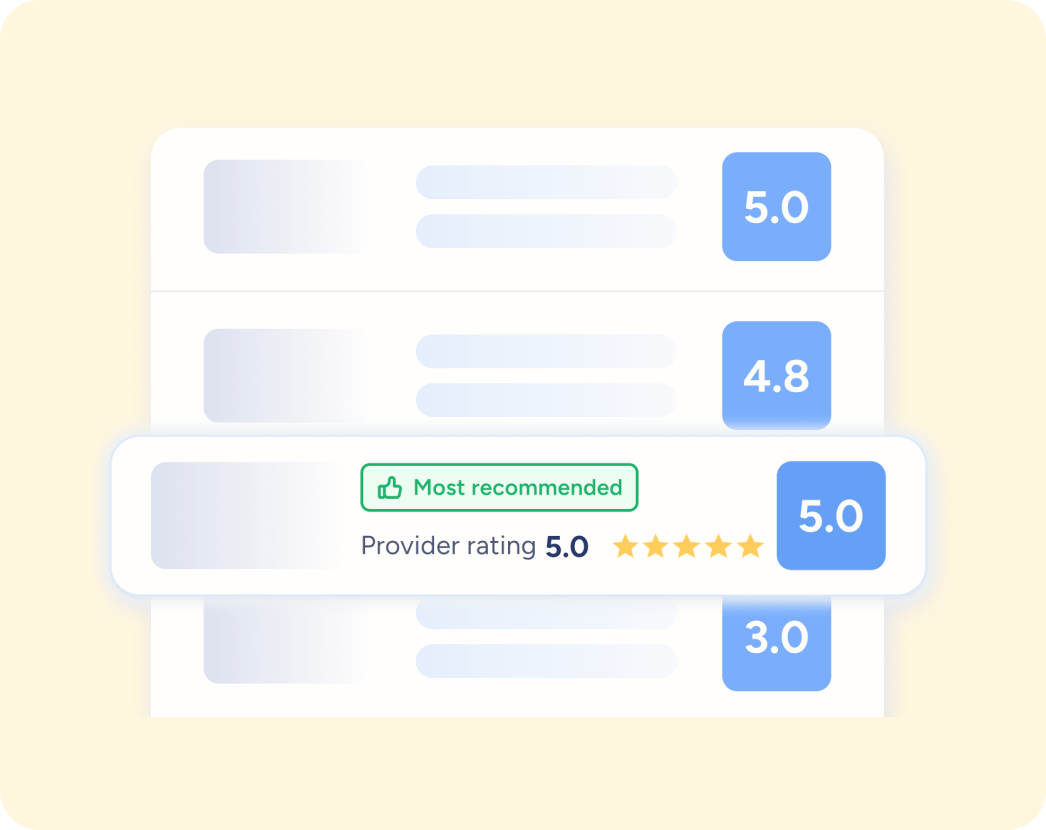
Our assessment of providers in South Africa evaluates PAYE accuracy, B-BBEE awareness, SARS filing compliance and understanding of the CTC structure.
Employer statutory costs are low at roughly 3-4% of payroll. UIF at 1%, SDL at 1% (if payroll exceeds ZAR 500,000/year), plus COIDA at an industry-specific rate. Compared to European countries where employer social charges run 20-40%, South Africa is structurally cheap.
PAYE is withheld by the employer and filed monthly to SARS. Unlike Singapore where employees self-file, South Africa requires employers to calculate, deduct and remit income tax monthly via the EMP201 declaration, due by the 7th of the following month.
The national minimum wage is ZAR 30.23/hour from March 2026. This applies to all workers except farmworkers and domestic workers who have separate (lower) rates. The rate is reviewed annually, with adjustments typically announced in February.
B-BBEE scoring affects your ability to win contracts. Broad-Based Black Economic Empowerment is not a direct payroll requirement, but your workforce composition feeds into your B-BBEE scorecard. Foreign companies hiring through an EOR inherit the EOR’s B-BBEE status, which varies by provider.
Termination is heavily regulated under the LRA. The Labour Relations Act requires substantive fairness (valid reason) and procedural fairness (proper process) for any dismissal. The CCMA (Commission for Conciliation, Mediation and Arbitration) handles disputes, and reinstatement is a common remedy.
Why hire in South Africa
Statutory employer costs run just 3-4% of payroll
UIF at 1%, SDL at 1%, COIDA at ~0.5-2% depending on industry. Total mandatory employer contributions rarely exceed 4%. Compare that to Germany at 20%+ or Brazil at 30%+. For cost-conscious hiring, South Africa is one of the cheapest formal employment markets.
English is the primary business language
South Africa has 11 official languages, but English dominates in commerce, law and professional services. No translation layer required for contracts, payroll communications or management. This reduces friction for international companies significantly.
The time zone overlaps with Europe and the Middle East
UTC+2 means South African business hours align almost perfectly with Central European Time and overlap substantially with UK, Gulf and East African working hours. For companies with distributed European or MENA teams, South Africa fits without requiring late-night or early-morning shifts.
Deep talent pool in finance, tech and professional services
Johannesburg and Cape Town produce graduates and mid-career professionals across fintech, software engineering, accounting and legal services at salary levels 60-70% below equivalent UK or US roles with comparable English fluency.
Key Employment Facts
South Africa's statutory employer contributions are among the lowest in any major emerging market, but the cost-to-company model means benefits like medical aid and retirement are typically bundled into gross salary rather than added on top.
Key Employment Facts
Minimum Wage
ZAR 30.23/ hour (from March 2026)
Probation Period
Typically 3-6 months (must be reasonable)
Standard Working Hours
45 hours/week (9 hours/day for 5-day week)
Paid Annual Leave
15 working days (21 consecutive calendar days)
Notice Period
1-4 weeks (by tenure)
13th Salary
Not statutory (13th cheque is common practice)
Sick Leave
30 days paid over a 3-year cycle
Maternity Leave
4 months (unpaid by employer, UIF pays up to 66%)
Good to Know: Maternity leave in South Africa is 4 months but the employer is not legally required to pay salary during this period. The employee claims from UIF, which pays up to 66% of earnings (capped). Many employers voluntarily top up the difference, but it’s not mandatory. Your employment contract should be explicit about whether maternity is paid, partially paid or UIF-only.
What to Watch When Hiring in South Africa
The CCMA makes dismissal genuinely difficult
Any employee can refer an unfair dismissal to the CCMA at no cost. The burden of proof falls on the employer to demonstrate both a valid reason and a fair process. Getting either wrong results in reinstatement or compensation of up to 12 months' salary.
UIF and SDL have different thresholds and caps
UIF contributions cap at ZAR 17,712/month. SDL kicks in only when annual payroll exceeds ZAR 500,000. COIDA is annual, not monthly. Three different contribution mechanisms, three different filing logics. Your payroll must handle all three correctly on the monthly EMP201.
Load shedding affects operational continuity
Eskom's scheduled power outages remain a reality for South African operations. While not a payroll issue directly, it affects employee productivity, internet access and ability to meet filing deadlines. Any provider operating in South Africa should have backup power and connectivity contingencies.
The 13th cheque is expected but not legally required
Most South African employers pay a "13th cheque" (annual bonus) in November or December. Employees expect it. But it's a contractual matter, not a statutory one. If your employment contract doesn't include it, you don't owe it. If it does, it's enforceable.
Employer Costs and Employee Taxes in South Africa
South Africa's employer contributions are low by global standards. The real cost complexity lies in the CTC model, where medical aid and retirement fund contributions come out of gross salary rather than being added on top.
Employer Contributions
Contribution
Employer Rate
UIF (Unemployment Insurance Fund)
1% of gross (capped at ZAR 17,712/month)
SDL (Skills Development Levy)
1% of total payroll (exempt if payroll < ZAR 500,000/year)
COIDA (Compensation for Occupational Injuries)
~0.5-2% (industry-specific, annual assessment)
Total Employer Cost
~2.5-4% of gross
Employee Taxes
Tax / Contribution
Employee Rate
PAYE (income tax, progressive)
18-45%
UIF (employee share)
1% of gross (capped at ZAR 17,712/month)
Retirement fund (if applicable)
Deductible up to 27.5% of gross, max ZAR 350,000/year
Good to Know: South Africa’s cost-to-company model is unusual. An employee earning ZAR 30,000/month CTC doesn’t receive ZAR 30,000. Medical aid, retirement fund contributions and UIF all come out of that figure. The employer then pays an additional ~ZAR 477 in UIF (1% capped), ~ZAR 300 in SDL (1%), and COIDA annually. Total employer cost above CTC: roughly ZAR 800/month or 2.7%. This makes South Africa one of the cheapest countries in the world for statutory employer contributions, but the CTC model means benefit design directly affects take-home pay.
Public Holidays in South Africa (2026)
South Africa has 12 public holidays per year. When a holiday falls on a Sunday, the following Monday is observed. No substitute day applies when a holiday falls on a Saturday.
Date
Holiday
January 1
New Year’s Day
March 21
Human Rights Day (Saturday)
April 3
Good Friday
April 6
Family Day
April 27
Freedom Day
May 1
Workers’ Day
June 16
Youth Day
August 9
National Women’s Day (observed August 10, Monday)
September 24
Heritage Day
December 16
Day of Reconciliation
December 25
Christmas Day
December 26
Day of Goodwill (Saturday)
Good to Know: Two public holidays fall on Saturdays in 2026: Human Rights Day (March 21) and Day of Goodwill (December 26). Under the Public Holidays Act, there is no substitute day for Saturday holidays. Employees who work a Monday-to-Friday schedule lose those two days. Employees required to work on any public holiday must receive double pay or a paid day off in lieu.
Compare All EOR Providers for South Africa
Filter providers by South Africa coverage, PAYE compliance and B-BBEE awareness using the Employsome Comparison Tool. Over 130 providers compared.