


Table of Contents
This expert EOR guide explains the key employment rules for all Canada Atlantic provinces and what your EOR will handle. It’s fair to say that hiring employees in Atlantic Canada, which consists of Nova Scotia, New Brunswick, Prince Edward Island (PEI) and Newfoundland & Labrador, has become increasingly common as companies tap into remote talent pools and to benefit from more competitive compensations.
Because employment laws vary by province, an Employer of Record (EOR) helps foreign companies stay compliant without opening a local entity in each jurisdiction.

What an EOR Does in Atlantic Canada
Regardless of the exact province within Atlantic Canada, an EOR usually handles all of the following:
- Creating employment contracts aligned with provincial standards
- Calculating and remitting payroll and both employee and employer tax withholdings
- Managing and calculating statutory holiday pay and vacation pay
- Taking care of overtime calculations
- Overseeing provincial leaves and job protections
- Ensuring workers’ compensation coverage
- Handling termination pay and notice requirements
This enables companies to hire in Atlantic Canada without incorporating a Canadian legal subsidiary or registering multiple payroll accounts across provinces.
Compare real-time prices of 100+ Canada EORs, online & within seconds. Whether it’s a global EOR or a local hidden gem, we’ll let you run quick quote online, and let you decide which EOR is the right good fit.
Key Employment Rules Across Atlantic Canada
Alberta’s employment framework is generally more flexible than provinces like British Columbia or Quebec, but there are still important rules your EOR must follow.
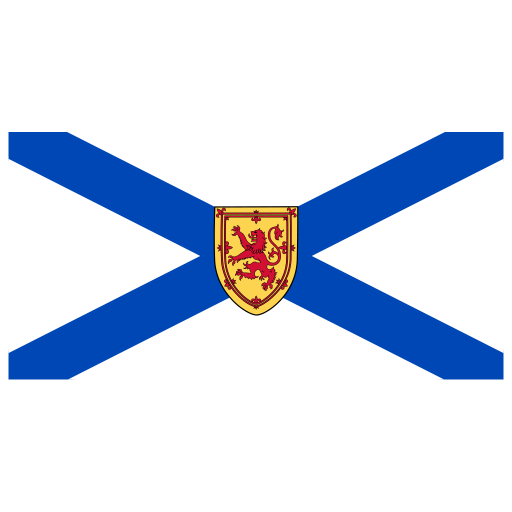
Nova Scotia (Halifax)
Nova Scotia is one of the more predictable Atlantic provinces for payroll and employment compliance.
Hours of Work & Overtime
- Overtime applies above 48 hours/week at 1.5×.
- No daily overtime threshold.
Vacation Entitlement
- After 1 year: 2 weeks (4%)
- After 8 years: 3 weeks (6%)
Public Holidays
Nova Scotia recognizes 6 statutory holidays.
Termination
- 1–8 weeks’ notice based on employee seniority with the company
- Final pay within 5 days of next payday or within 10 days (whichever comes first)
Workers’ Compensation
Covered through WCB Nova Scotia.
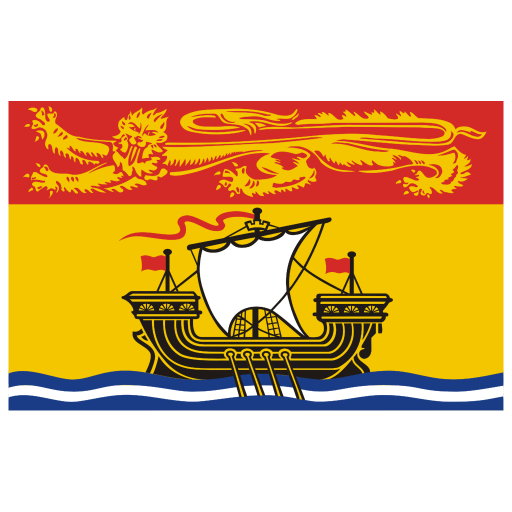
New Brunswick
New Brunswick’s standards are similar to Nova Scotia but with slightly different overtime and holiday rules.
Hours of Work & Overtime
- Overtime above 44 hours/week at 1.5×
Vacation
- After 1 year: 2 weeks (4%)
- After 8 years: 3 weeks (6%)
Statutory Holidays
New Brunswick observes 7 provincial holidays.
Termination
- 1–8 weeks’ notice based on service
- Final pay within 10 days of termination
Workers’ Compensation
Handled via WorkSafeNB.

Prince Edward Island (PEI)
PEI has straightforward employment rules but unique statutory holidays.
Hours of Work & Overtime
- Overtime applies above 48 hours/week at 1.5×
Vacation
- After 1 year: 2 weeks
- After 8 years: 3 weeks
Public Holidays
PEI has 8 statutory holidays, including the Gold Cup Parade Day.
Termination
- 1–8 weeks’ notice depending on tenure
- Final pay must be issued on next regular payday
Workers’ Compensation
Through WCB PEI.
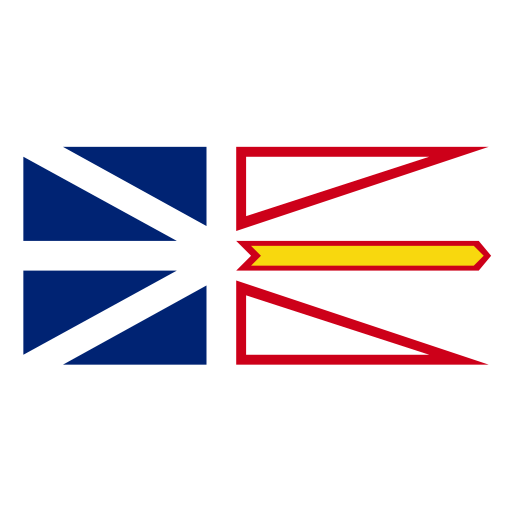
Newfoundland & Labrador
Newfoundland & Labrador has its own Employment Standards Act and some of the shortest notice periods in Canada.
Hours of Work & Overtime
- Overtime applies above 40 hours/week at 1.5×
Vacation
- After 1 year: 2 weeks (4%)
- After 15 years: 3 weeks (6%)
Public Holidays
Includes unique holidays such as St. Patrick’s Day and Orangemen’s Day in some regions.
Termination
- 1–6 weeks’ notice depending on tenure
- Final pay within 7 days or by next pay cycle
Workers’ Compensation
Administered through WorkplaceNL.
💡 Employsome Tip
The Atlantic provinces look similar on paper, but the real payroll risks come from their different holiday rules, overtime thresholds and final-pay deadlines. If you’re hiring across multiple Atlantic provinces, ask your EOR how they map each employee to the correct provincial rules this one question instantly reveals whether an EOR actually understands Canadian compliance.
Estimated Employer Costs in Atlantic Canada
Employer costs in Atlantic provinces are generally lower than Quebec and slightly lower or comparable to Ontario. Across NS, NB, NL, and PEI, employer-side contributions typically total ~7–12% of salary.
Breakdown (based on CA$7,500 monthly salary):
- Canada Pension Plan (CPP) – 5.95% (~CA$446/month)
- Employment Insurance (EI) – 2.212% (~CA$166/month)
- Workers’ Compensation – ~1–3% (~CA$75–CA$225/month depending on province & industry)
- Vacation pay – 4–6% (~CA$300–CA$450/month)
Total estimated employer burden: ~CA$987 to CA$1,287 per month
Note: Atlantic provinces do not have a provincial employer health tax, reducing total employer cost.
Why an EOR Can Help in Atlantic Canada
Atlantic Canada offers strong talent, lower salary expectations compared to other provinces such as Ontario/British Columbia and very manageable compliance which is ideal for remote hiring.
- Hire across four provinces without registering multiple entities
- As a foreign company, remain compliant with differing overtime and holiday rules
- Correctly calculate statutory holiday pay (varies by province)
- Manage workers’ compensation accounts (WCB NS, WorkSafeNB, WCB PEI, WorkplaceNL)
- Execute terminations correctly under each province’s timelines
- Administer diverse provincial leaves and entitlements
Frequently Asked Questions on Atlantic Canada EOR
Yes. EOR is permitted and commonly used across Nova Scotia, NB, PEI, and Newfoundland & Labrador.
Yes. Employees receive all ESA protections for their specific province.
Only slightly. Payroll taxes are federal, but workers’ comp and holiday rules vary.
No. Employer costs are lower compared to Ontario or Quebec.
Yes. One EOR can manage hires across all Atlantic provinces.

Written by
Courtney Pocock is a Copywriter & EOR/PEO Researcher at Employsome with 15+ years of experience writing for the HR, corporate, and financial sectors. She has a strong interest in global business expansion and Employer of Record / PEO topics, focusing on news that matters to business owners and decision-makers. Courtney covers industry updates, regulatory changes, and practical guides to help leaders navigate international hiring with confidence.
Our content is created for informational purposes only and is not intended to provide any legal, tax, accounting, or financial advice. Please obtain separate advice from industry-specific professionals who may better understand your business’s needs. Read our Editorial Guidelines for further information on how our content is created.